Our artisan network
The supply chain starts with the maker.
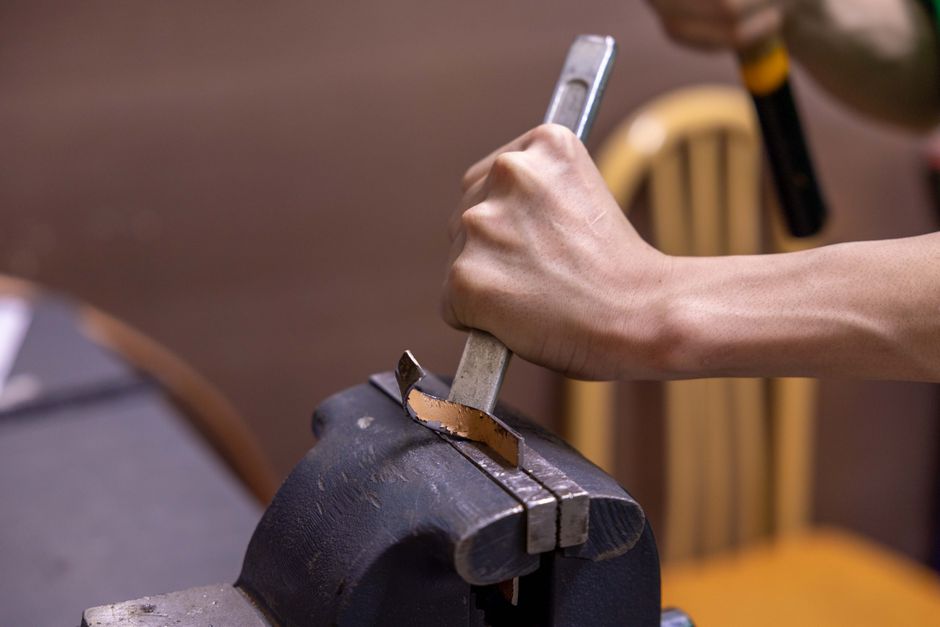
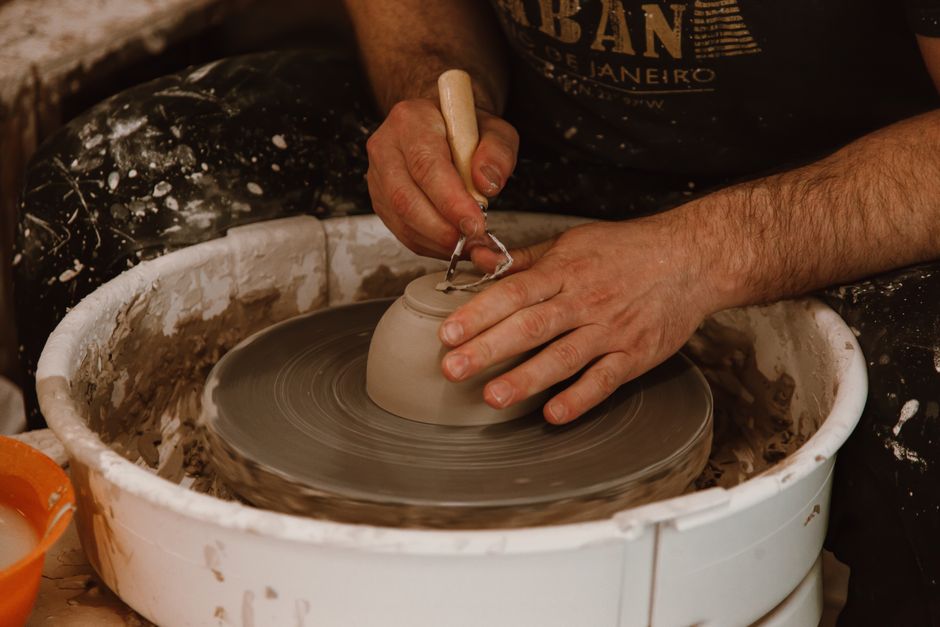
Every piece we export begins in a workshop — a brass-beating shed, a potter's wheel, a wood-turner's lathe. Our model is built on going directly to these makers and keeping them at the centre of how we grow.
How we source
Direct engagement with craft clusters
India's handicraft economy is organised around clusters — regions where a particular craft has been practised and refined over generations. Rather than buying through long chains of middlemen, we work to engage these clusters directly: understanding how each product is made, who makes it, and what a fair, sustainable order looks like for them.
Direct engagement gives our buyers something a generic supplier cannot: real provenance, consistent quality, and the ability to adapt a product at its source. It gives artisans something equally important — a buyer who returns, orders repeatedly, and values the skill behind the work.
Sourcing map
Craft regions we work with across India
Our sourcing reaches across India's best-known craft regions. Each brings a distinct material tradition and skill base — the foundation of a diverse, resilient product range.
- Moradabad — Brass & metalware
- Jaipur — Blue pottery & ceramics
- Channapatna — Turned & lacquered wood
- Saharanpur — Wood carving
- Khurja — Ceramic craft
- Jodhpur — Handicraft & furniture
- Firozabad — Glasswork
- Varanasi — Handloom & brass
- Kutch — Textile & embroidery craft
Regions are shown to illustrate India's craft clusters and the material traditions we draw on. We build sourcing relationships responsibly and expand our network as demand grows.
Livelihood impact
Why sourcing responsibly matters
Handicraft is one of India's largest sources of rural and semi-urban employment, and much of it depends on steady demand. When orders are erratic, skills fade and makers leave the craft. Our sourcing model is designed to push in the opposite direction.
- Fair value. We aim to pay artisans fairly for their skill, keeping the value of the work with the people who create it.
- Sustained demand. Repeat, planned orders give workshops predictable income rather than one-off, feast-or-famine work.
- Preservation of skills. Consistent demand keeps traditional techniques economically viable, so they can be passed on.
- Employment creation. As our order book grows, so does the work flowing back to clusters — expanding livelihoods, not just margins.
In the workshop
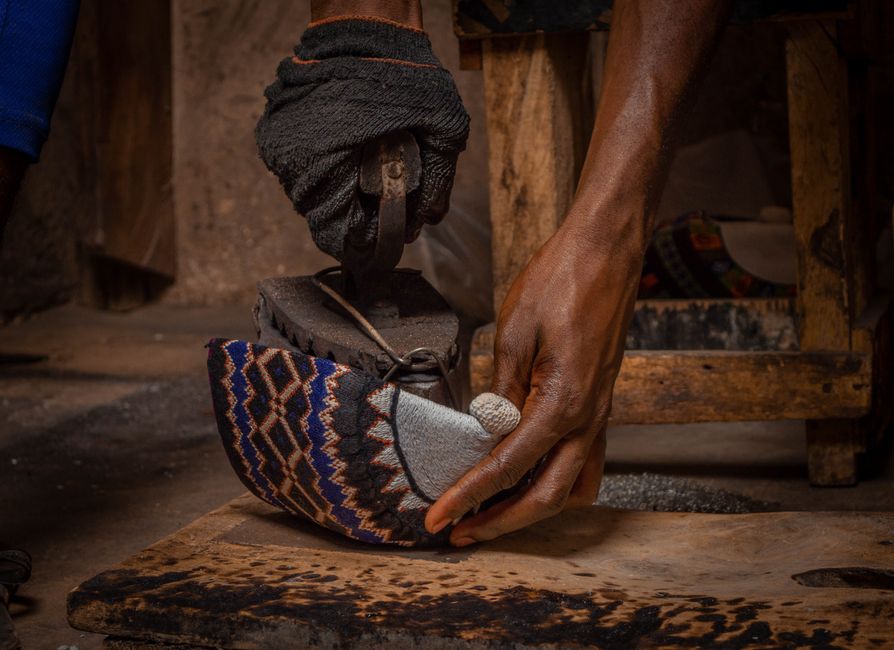
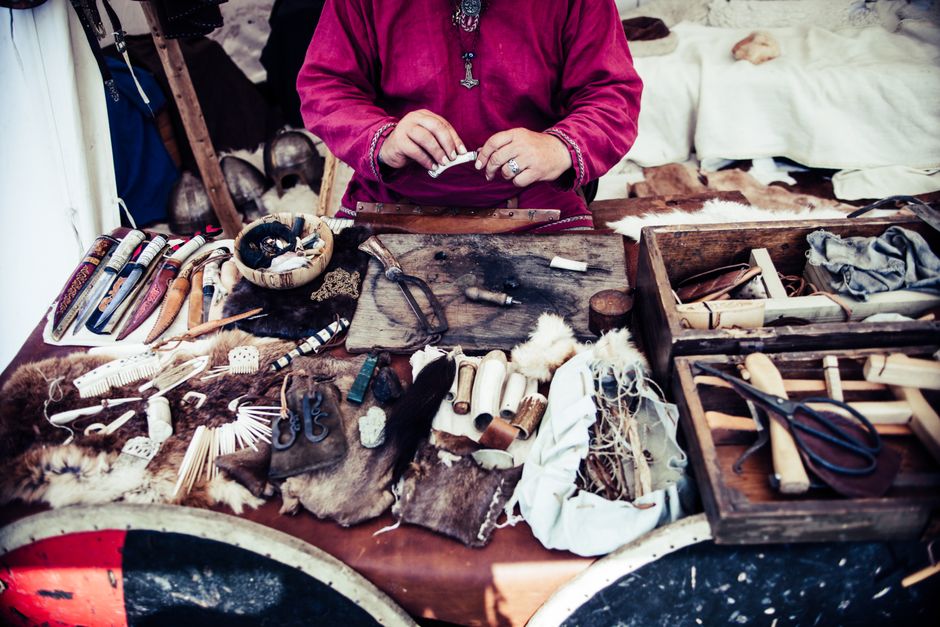
Craft, made by hand
Our objective
Building a scalable artisan supply chain
Our long-term objective is to build a scalable artisan supply chain that connects Indian craft to global markets. That means investing in sourcing relationships, quality standards and export processes that can grow from early orders into a dependable, high-volume operation — without losing the authenticity or the fairness the model is built on.
Scalability, for us, comes from the strength of the network and the systems around it — not from squeezing the maker. The more we grow, the more consistent, well-paid work returns to India's craft clusters, and the more genuine Indian craftsmanship reaches buyers worldwide. That is the venture we are building.
Partner with a sourcing model built to last
Whether you're an importer, a brand or a distributor, we'd like to understand what you need and how our network can supply it.
Talk to us